
Human Hair Extensions Blog
Virgin Hair vs Remy Hair

Virgin Hair vs Remy Hair : Understanding the Differences and Which is Better
Understanding Virgin Hair vs Remy Hair can help buyers choose the right human hair extensions. When shopping for premium human hair extensions, terms like Virgin Hair and Remy Hair are often used interchangeably. However, while both are considered high-quality options, they are not exactly the same. Understanding the differences between Virgin Hair and Remy Hair can help you choose the best hair extensions for your styling needs, lifestyle, and budget.
Whether you’re a salon professional, stylist, or first-time buyer, knowing the characteristics of each type of hair can make a significant difference in appearance, longevity, and versatility.
In this guide, we’ll compare Virgin Hair and Remy Hair and help you determine which option is right for you.
What is Virgin Hair?
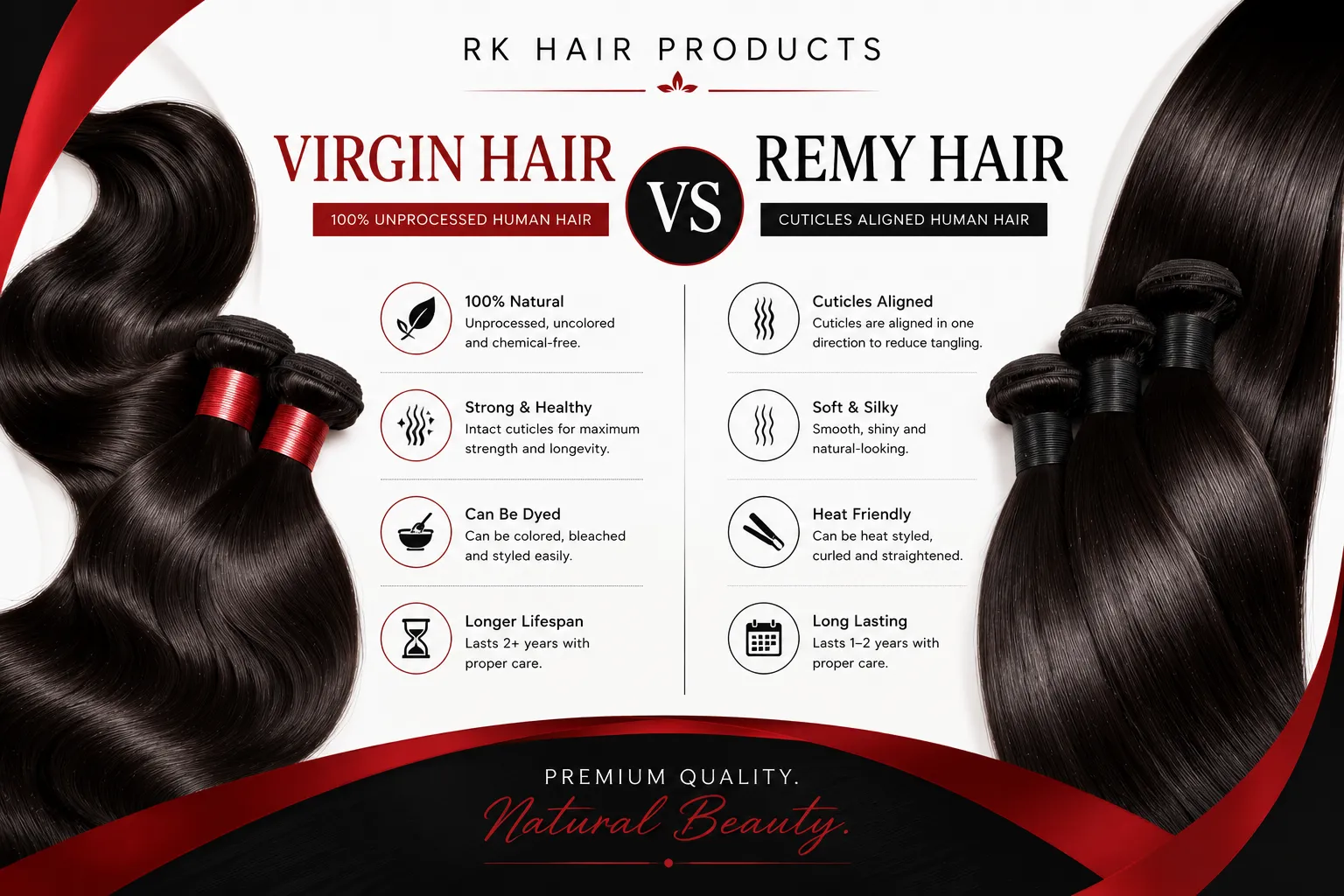
Virgin hair is 100% human hair that has never been chemically processed. It has not undergone coloring, bleaching, perming, or any harsh treatments. Because the cuticles remain intact and healthy, virgin hair retains its natural strength, shine, and softness.
Virgin hair is often collected from a single donor, ensuring consistency in texture and quality. It can be dyed, curled, straightened, and customized according to personal preferences.
For customers seeking the highest quality human hair extensions, virgin hair is considered the gold standard.
What is Remy Hair?
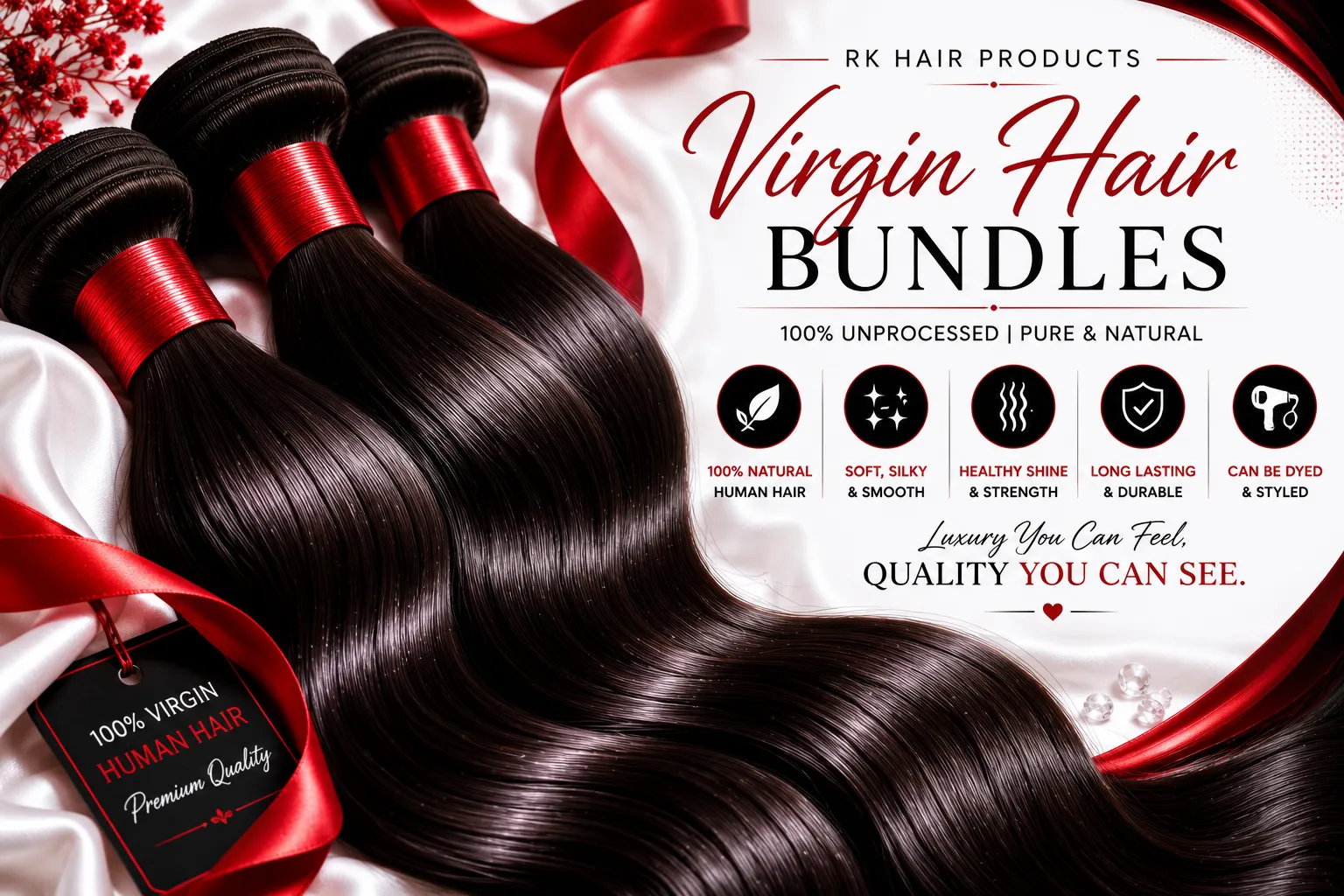
Remy hair is premium human hair where the cuticles remain aligned in one direction. This alignment reduces tangling and helps preserve the hair’s natural appearance.
Unlike virgin hair, Remy hair may undergo mild processing, such as steaming or coloring, to achieve specific textures and shades. Despite this, Remy hair remains one of the most popular choices among salon professionals due to its durability and styling versatility.
Remy hair extensions offer a natural look and long-lasting performance, making them ideal for everyday wear.
Key Differences Between Virgin Hair and Remy Hair
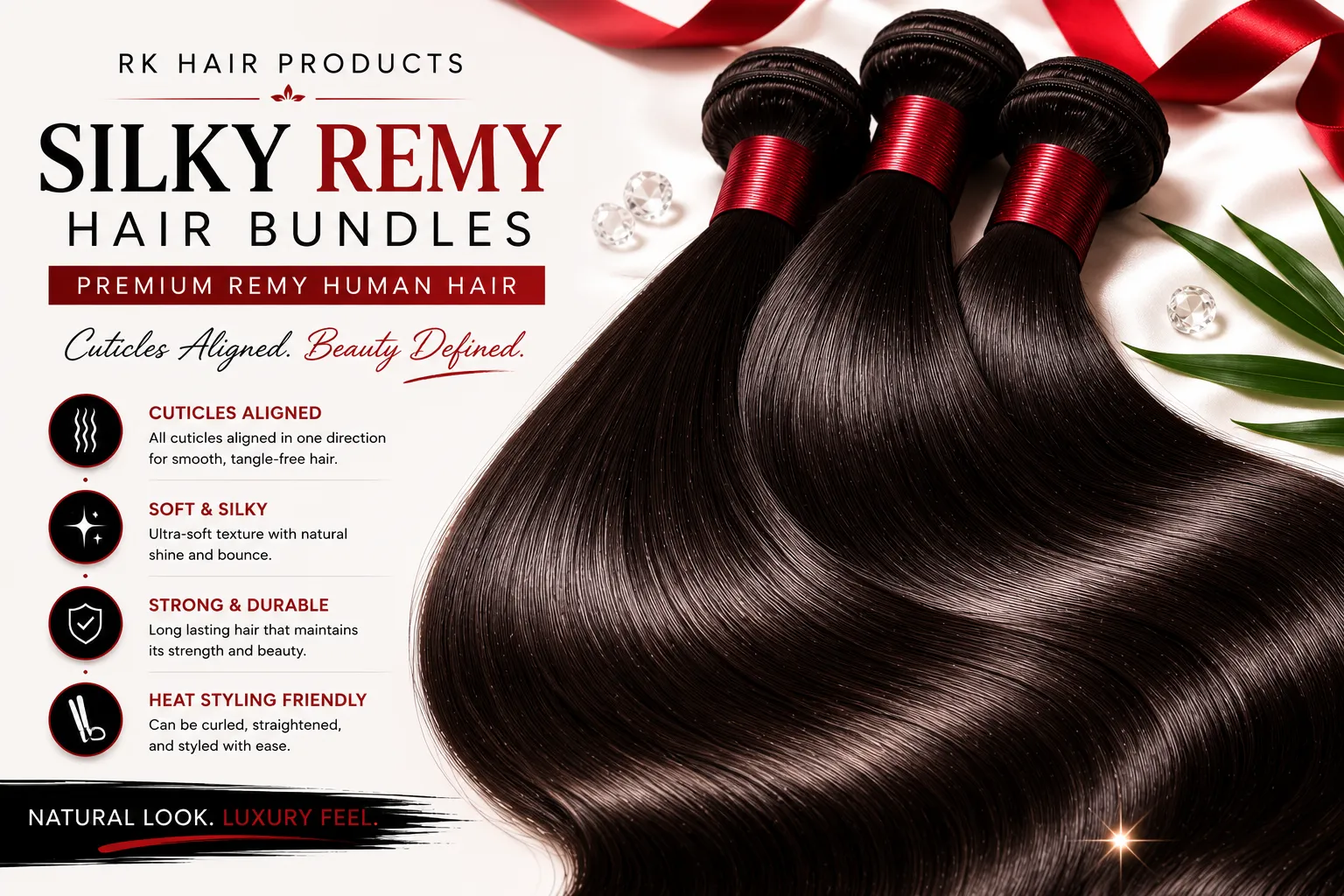
Although both Virgin Hair and Remy Hair are considered premium human hair options, there are important differences in processing, texture, longevity, styling flexibility, and price. Understanding these distinctions can help salon professionals and buyers choose the best hair extensions for their needs.
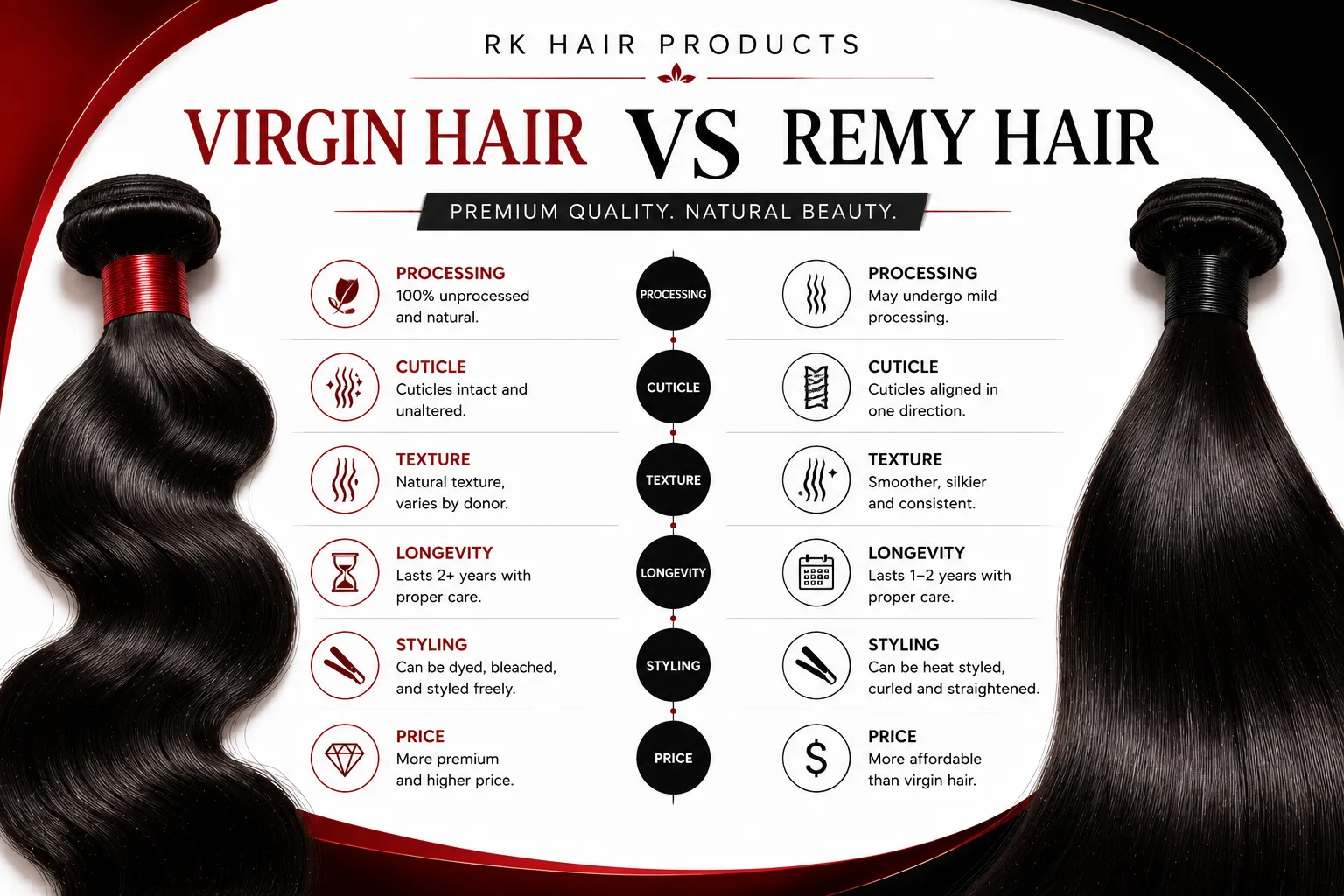
| Feature | Virgin Hair | Remy Hair |
|---|---|---|
| Definition | 100% unprocessed human hair | Human hair with cuticles aligned in one direction |
| Chemical Processing | No processing, coloring ,or bleaching | May undergo mild processing or coloring |
| Cuticle Condition | Intact and completely natural | Intact and aligned |
| Hair Source | Usually from a single donor | May come from multiple donors |
| Texture | Natural texture, varies by donor | Uniform and consistent texture |
| Appearance | Extremely natural and luxurious | Smooth ,silky and natural looking |
| Tangling | Minimal tangling | Minimal tangling |
| Styling Flexibility | Excellent for coloring and heat styling | Excellent for everyday styling |
| Durability | 2+ years with proper care | 1-2 years with proper care |
| Maintenance | Low maintenance | Low maintenance |
| Price | Premium and more expensive | Premium but more affordable |
| Best For | Luxury buyers ,salon ,professionals ,frequent color users | Everyday users ,stylists ,premium hair extension users |
| Natural Look | ★★★★★ | ★★★★★ |
| Longevity | ★★★★★ | ★★★★☆ |
| Value for Money | ★★★★☆ | ★★★★★ |
While both Virgin Hair and Remy Hair provide exceptional quality and a natural appearance, Virgin Hair is completely unprocessed and offers maximum versatility for coloring and customization. Remy Hair, on the other hand, delivers outstanding softness, durability, and value, making it one of the most popular choices among salon professionals and everyday users. The right option ultimately depends on your styling preferences, budget, and long-term hair goals.
Which Hair Type Lasts Longer?
With proper care, both Virgin Hair and Remy Hair offer exceptional longevity. However, because virgin hair remains completely untreated, it often maintains its strength and softness for a longer period.
Premium-quality virgin hair extensions can last over two years with proper maintenance, while Remy hair extensions can provide excellent results for one to two years.
Virgin Hair vs Remy Hair for Styling
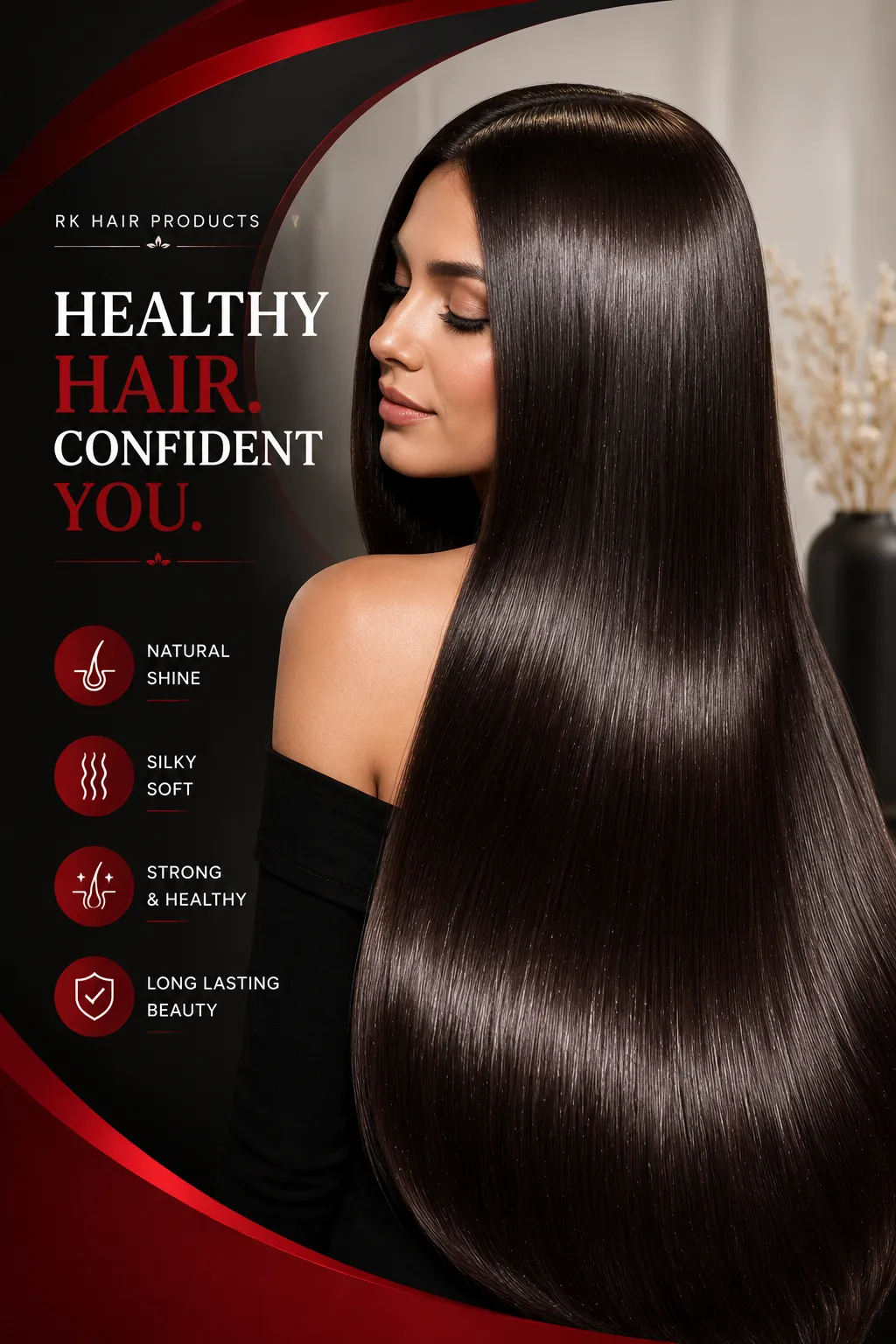
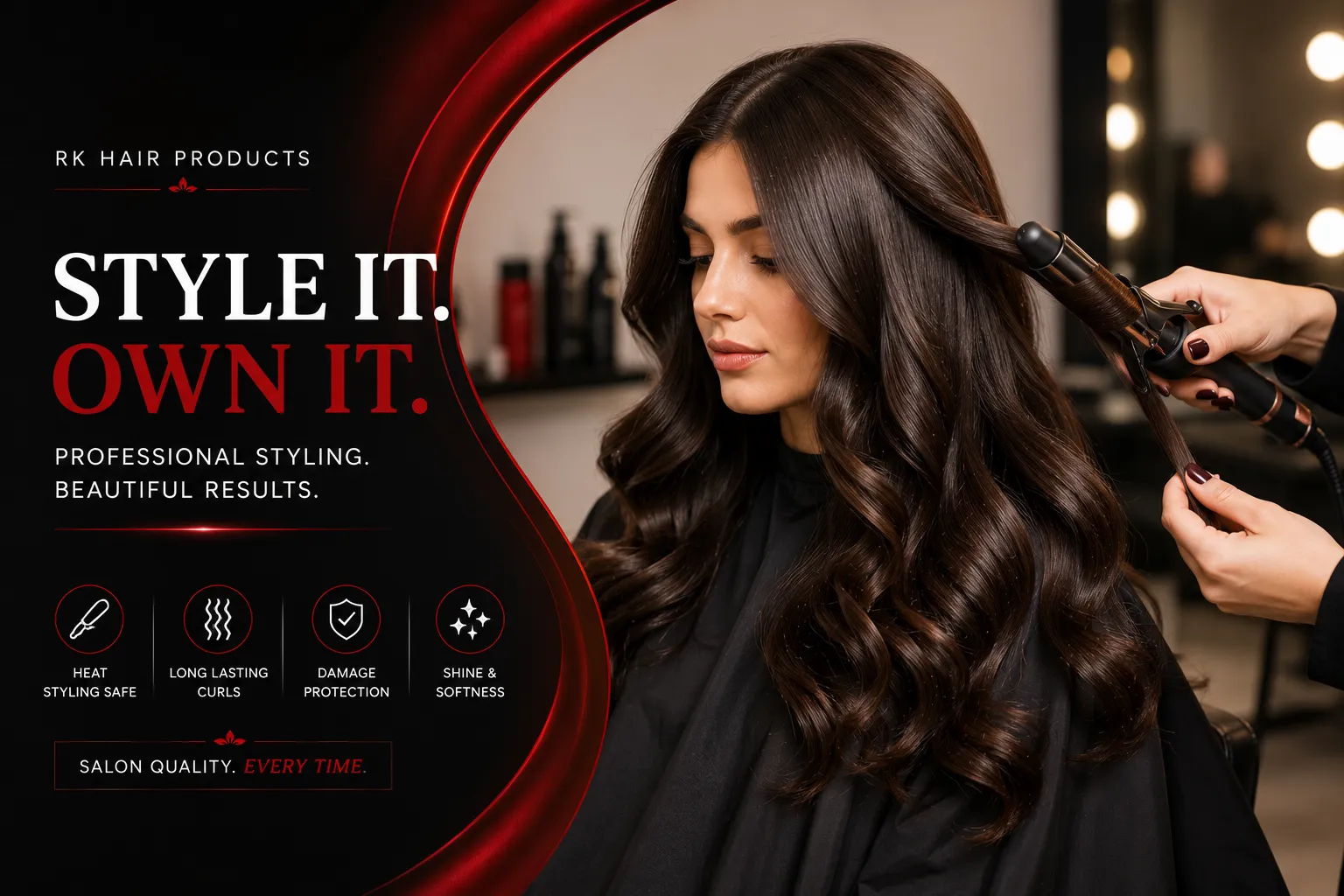
One of the reasons these hair types are highly valued is their versatility. Both Virgin Hair and Remy Hair can be heat styled, curled, and straightened.
Virgin hair offers greater flexibility because it has never undergone chemical treatments, making it ideal for those who frequently color or customize their extensions.
Who Should Choose Virgin Hair?
Virgin hair is ideal for:
- Salon professionals
- Frequent color users
- Long-term wearers
- Luxury hair extension buyers
Who should choose Remy Hair?
Remy hair is suitable for:
- Everyday users
- Budget-conscious buyers
- Professional stylists
- Customers seeking premium quality
Why Salon Professionals Love Virgin and Remy Hair
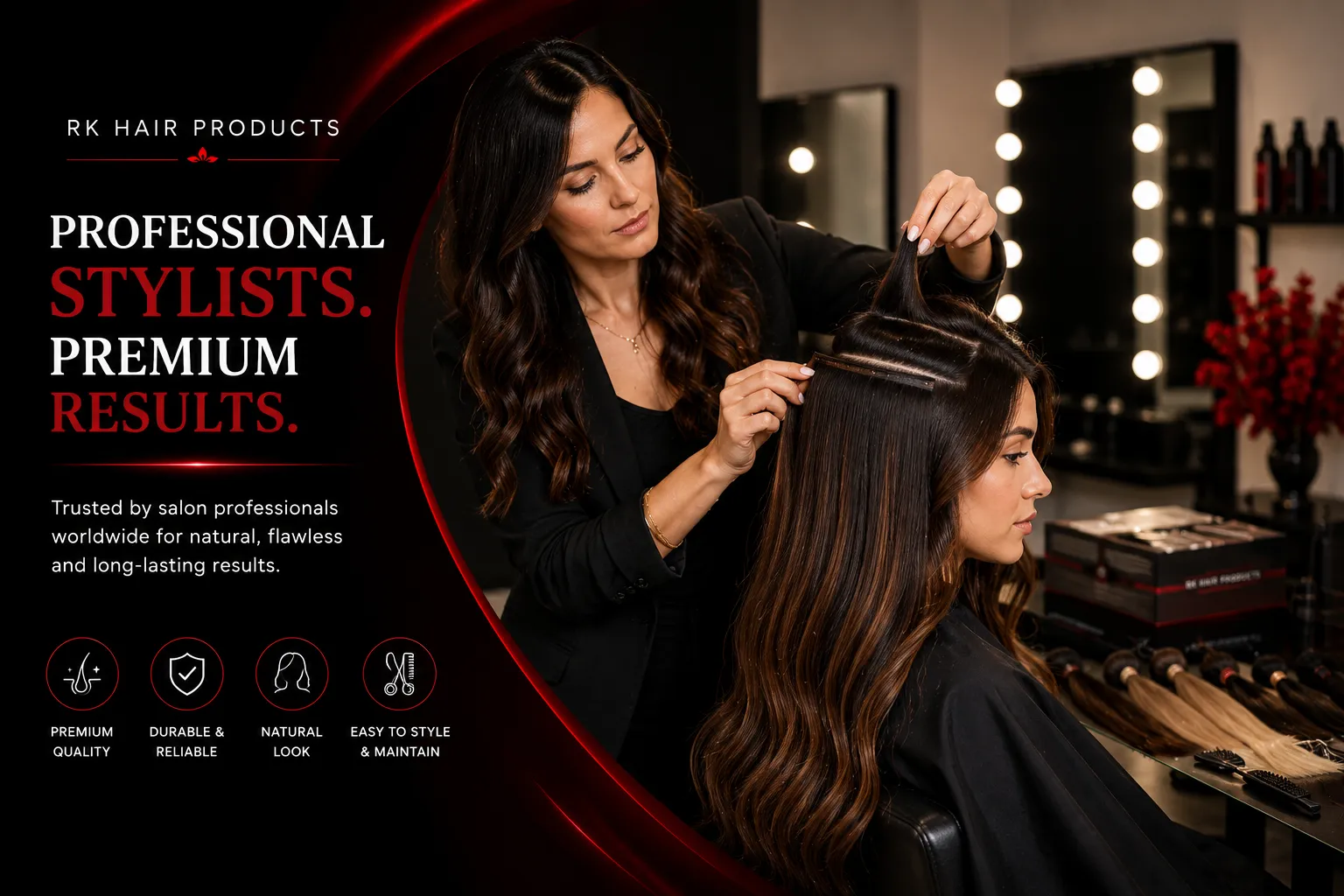
Professional stylists appreciate both Virgin Hair and Remy Hair for their reliability, softness, and styling capabilities.
These premium hair types deliver consistent performance and natural-looking results, making them favorites among salons worldwide. When comparing Virgin Hair vs Remy Hair, both offer premium quality and excellent longevity.
Why Choose RK Hair Products?
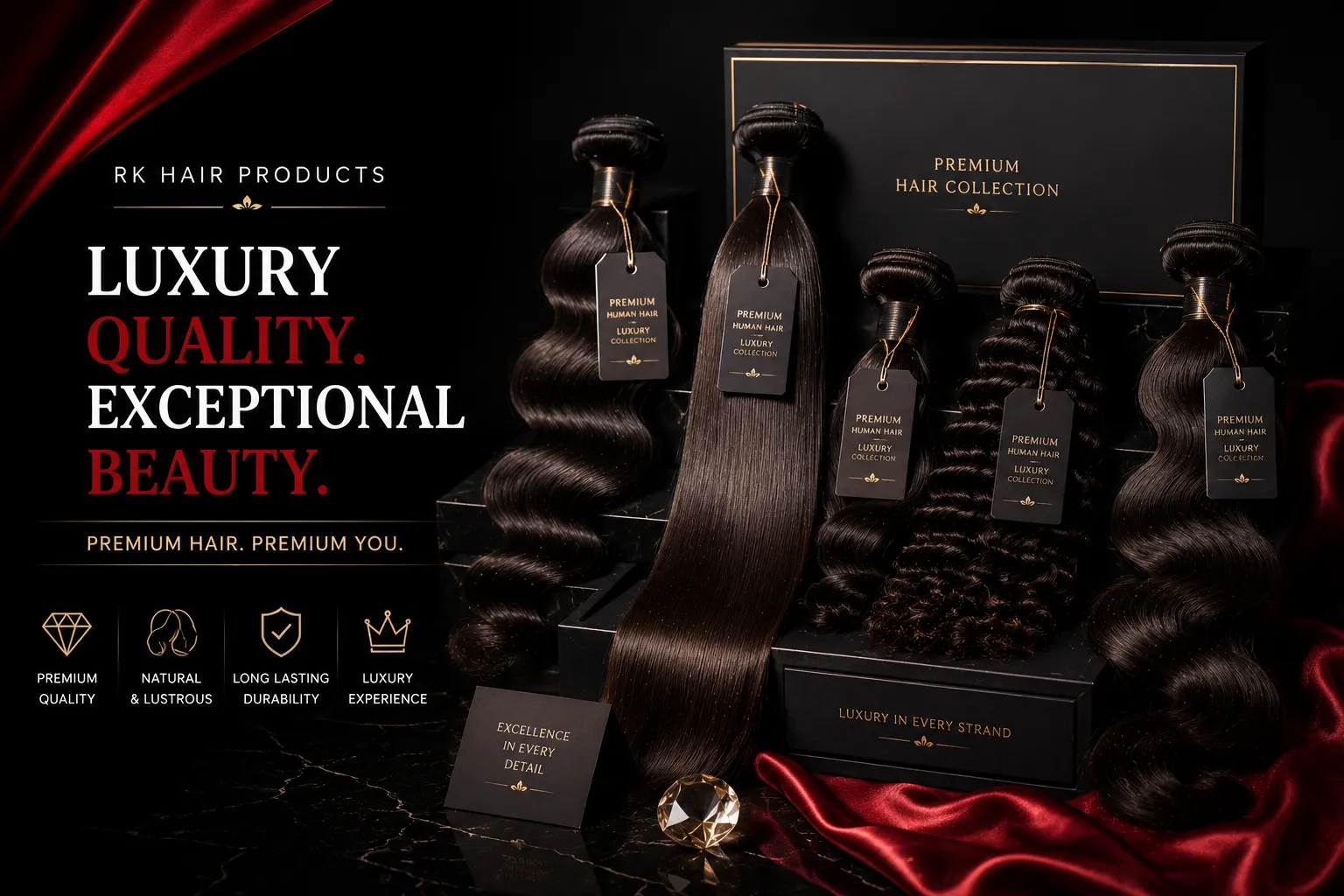
At RK Hair Products, we specialize in premium-quality Indian human hair extensions crafted to meet international standards. Our products are ethically sourced and designed to provide exceptional softness, durability, and styling versatility.
Whether you’re looking for Machine Weft Hair, Hand Weft Hair, Keratin Tip Extensions, or Front Lace Wigs, RK Hair Products delivers salon-quality solutions trusted by beauty professionals around the world.
Frequently Asked Questions
Ultimately, the choice between Virgin Hair vs Remy Hair depends on your styling preferences and budget.
If you’re also interested in understanding the differences between Remy Hair and lower-quality alternatives, read our Remy Hair vs Non-Remy Hair guide.